

We were standing in a small jewellery studio in Melbourne’s inner north. Not one of those glossy, intimidating showrooms. This place had timber floors, coffee rings on the counter, and a jeweller who wore sneakers instead of a suit. The couple asking the question weren’t trying to impress anyone. They just wanted to get it right.
That moment stuck with me because it sums up how most people approach platinum diamond rings. There’s curiosity, a bit of uncertainty, and a sense that this metal carries more weight than others—literally and emotionally.
Over the years, writing about lifestyle, luxury, and how Australians actually spend their money, I’ve come to see platinum not as the “upgrade” option, but as a very particular choice. One that suits some people perfectly and others not at all. And that’s okay.
Platinum isn’t flashy — and that’s the point
If yellow gold is warmth and white gold is versatility, platinum is restraint.
It doesn’t shout. It doesn’t sparkle on its own. It just sits there, solid and quietly confident. There’s a reason jewellers often describe platinum as honest. What you see is what you get.
Unlike white gold, platinum doesn’t rely on plating to achieve its colour. That cool, silvery-grey tone is natural. It won’t fade or shift over time. Instead of wearing away, platinum actually displaces when scratched, meaning the metal moves rather than disappears. That’s why antique platinum rings still hold their shape decades later.
You might not notice this straight away, but once you do, it’s hard to unsee.
Why platinum feels different on the hand
Let’s talk about weight for a moment.
Platinum is dense. Pick up a platinum ring next to a similar design in gold and you’ll feel it immediately. Some people love that heft—it feels reassuring, like the ring has presence. Others find it takes a bit of getting used to.
Neither reaction is wrong.
What surprised me, after speaking to jewellers across Sydney and Brisbane, is how often customers mention comfort after a few weeks. That initial weight becomes grounding. The ring feels anchored, less likely to twist or shift.
For people who plan to wear their ring every single day—and most do—this matters more than you’d think.
Diamonds and platinum: a natural pairing
There’s a reason platinum has long been the metal of choice for high-end diamond settings. It’s strong, secure, and understated.
Platinum claws hold diamonds exceptionally well. Because the metal is tough, claws can be made finer without sacrificing security. That means more of the diamond is visible, more light can pass through, and the stone really gets to do its thing.
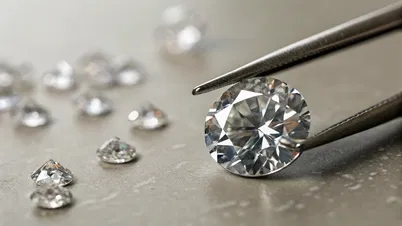
Visually, platinum doesn’t interfere with a diamond’s colour. It enhances brightness without adding warmth or contrast. This makes it especially appealing for higher-colour stones, where clarity and brilliance are front and centre.
In short, platinum steps back and lets the diamond lead.
The modern conversation: ethics, origin, and lab-grown stones
These days, no discussion about diamonds is complete without touching on ethics and sourcing. And rightly so.
A decade ago, lab diamonds were often misunderstood. People assumed they were imitation or somehow inferior. That perception has shifted dramatically.
Lab-grown diamonds are real diamonds. Same structure. Same hardness. Same sparkle. The difference is how they’re created, not how they perform.
From an environmental and ethical standpoint, this matters to a lot of Australians. People want transparency. They want to know what they’re supporting with their money.
I came across an interesting perspective recently while reading about diamond investment strategies. Even though the focus was financial, it offered a grounded explanation of how lab stones fit into the broader diamond market. If you’re curious about that angle, this piece on lab diamonds provides some useful context without the hype.
When paired with platinum, lab-grown diamonds create a combination that feels very now: durable, responsible, and quietly luxurious.
Who platinum really suits (and who it doesn’t)
Here’s where honesty comes in.
Platinum isn’t for everyone.
If you love warmth, colour, or vintage charm, platinum might feel too cool. If you prefer lightweight jewellery, the density could bother you. And if budget is a primary concern, platinum’s higher price point can be a sticking point.
But if you value longevity, strength, and minimal maintenance, platinum makes a compelling case.
I’ve noticed that people who choose platinum often share a few traits. They’re practical. They think long-term. They’re less interested in trends and more focused on substance. Many work with their hands or live active lives. They want a ring that can keep up.
That’s not marketing talk. That’s observation.
Everyday wear and the reality of ageing metal
One of the most misunderstood aspects of platinum is how it ages.
It doesn’t stay mirror-polished forever. Over time, it develops a soft patina—a gentle, matte sheen that many people find appealing. It tells a story. It shows wear, but not damage.
Some love this lived-in look. Others prefer to have their ring polished occasionally to restore shine. Either option is fine.
What matters is that platinum retains its mass. Unlike plated metals, there’s no coating to reapply. The ring you buy is the ring you keep.
That consistency is reassuring, especially for something meant to last a lifetime.
Design trends that suit platinum beautifully
Platinum thrives in clean, considered designs.
Solitaire rings are a natural fit. The simplicity allows the metal’s quality to shine without distraction. Cathedral settings, where the band rises to meet the stone, look particularly elegant in platinum.
Three-stone rings also work well. The metal provides visual balance, letting each diamond stand out without overwhelming the design.
More recently, I’ve seen a rise in low-profile settings. These sit closer to the finger, making them practical and comfortable. Platinum’s strength makes these designs possible without compromising security.
If you’re browsing inspiration, there’s a refined collection of platinum diamond rings that showcases how versatile platinum can be—from classic to quietly modern.
Platinum and wedding bands: planning ahead helps
This is where foresight pays off.
Platinum engagement rings pair best with platinum wedding bands, both visually and structurally. Mixing metals isn’t impossible, but different hardness levels can cause wear over time.
Many jewellers recommend choosing both rings in platinum if you’re set on that metal. It ensures they age together, wear evenly, and maintain a cohesive look.
That said, rules aren’t laws. I’ve seen mixed-metal stacks that look fantastic. It just requires intention and good advice.
Is platinum an “investment”? Not exactly
This question comes up more than you’d expect.
Platinum has intrinsic value. It’s rare. It’s used in industry as well as jewellery. But engagement rings, regardless of metal, aren’t financial investments in the traditional sense.
Their value is emotional. Symbolic. Personal.
What platinum offers is peace of mind. You’re unlikely to need repairs. You won’t worry about plating. You won’t second-guess durability.
For many people, that’s worth more than resale potential.
Australian tastes and the quiet luxury shift
There’s been a noticeable shift in how Australians approach luxury. Less flash. More quality. Fewer logos. Better materials.
Platinum fits neatly into this mindset. It’s not about showing off. It’s about choosing something well-made and letting it speak for itself.
I’ve heard designers describe platinum clients as “decided.” They don’t browse endlessly. They ask questions, make a choice, and move forward.
There’s confidence in that.
Final thoughts, from someone who’s watched tastes change
I’ve covered enough lifestyle trends to know that what’s popular today won’t always be tomorrow. But some materials endure because they offer something deeper than fashion.
Platinum diamond rings fall into that category.
They’re not romantic in an obvious way. They’re not playful or nostalgic. They’re steady. Reliable. Strong.
Paired with lab-grown diamonds, they represent a modern approach to commitment—one grounded in values, practicality, and long-term thinking.
If you’re considering platinum, take your time. Try it on. Feel the weight. Imagine wearing it not just now, but years down the track.



More Stories
The Emotional and Practical Signs You’re Ready to Buy Engagement Rings
Novita NZ Story: The Rise of Lab Created Diamonds in New Zealand
A Practical Guide to Buying Lab Grown Diamond Earrings