

Lab Grown Diamonds Explained
These days, lab grown diamonds offer an alternative for those wanting genuine sparkle minus the digging. Identical in appearance to earth mined gems, they match atom for atom, trait for trait. Cost matters, yes – so do ethics and creative freedom when choosing. Curious about your custom made engagement rings? Knowing how they’re formed, where they differ from classic diamonds, and which details actually count might shift your thinking. Surprises often hide in what most overlook.
Lab Made Diamonds Explained?
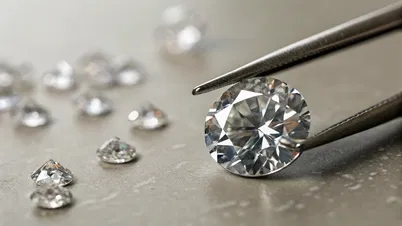
From deep within labs, real diamonds emerge through careful science. Heat and pressure shape carbon into sparkling crystals – just like underground. No fake gems here, only true diamonds built atom by atom. Their fire, their strength, even their makeup match those pulled from earth. Experts assess them side by side with natural ones, no separate rules used.
How They Form
Fabricating diamonds in labs happens through two primary techniques.
High Pressure High Temperature
Deep underground, lab made diamonds shape what comes next. When carbon faces those intense forces, something shifts slowly. A diamond begins to take form under that steady push. The change happens over time, without hurry.
Chemical Vapor Deposition
A tiny diamond seed goes into a chamber full of carbon-heavy gas. As time passes, carbon sticks to it, building up layer by layer. One after another, these steps grow a bigger stone. Either way, the result works just fine in rings or necklaces.
How They Stack Up Against Mined Diamonds
Most folks wonder if lab-made gems look different from natural ones. Truth is, they usually do not. Experts sometimes need special tools just to tell them apart. One type isn’t clearly better than the other
- Identical hardness
- Identical optical properties
- Identical chemical composition
- Similar grading standards
Most of the time, it comes down to where it’s from, how easy it is to get, or what it costs. Take a one-carat lab-made stone – often priced much lower than a natural diamond that looks just like it.
Understanding Diamond Quality
Whichever path you take – lab-made or natural gem – the rules of quality stay identical.
Cut
Light bounces differently depending on a diamond’s shape. Brightness jumps when the angles are just right. Visual magic happens best under skilled craftsmanship. Importance of precision? It sets everything else in motion.
Color
A stone’s tint can shift from clear all the way to a visible warm hue. Pricier tags often come with less color distortion.
Clarity
Inside and outside features of the gem get checked when measuring clarity. Most flaws hide unless you look through a lens.
Carat Weight
Weight matters most when we talk about carats, not just how big it looks. Though bigger stones usually bring higher prices, what you can’t see affects worth too.
Buyers Pick Lab Grown Choices
For some folks, lab-made diamonds mean getting more carat without spending extra. A bigger rock fits their plan when money is limited. The way these stones are built appeals to others – knowing each step happens on purpose. Choosing them often ties to how they’re made, not where they come from. Many care about consistency, fewer worries about supply shifts. It matters that conditions stay steady, predictable. Not everyone values mining history; skipping it feels right to them
- Lower purchase cost
- Access to larger stones
- Wide availability
- Interest in alternative sourcing methods
- More design flexibility within budget limits
What matters most shifts from one person to the next.
Selecting a Diamond for Your Ring
Sparkle might be your main thing – go for an excellent cut if it is. What really counts will differ from person to person. Size grabs attention for some. Cut precision or visual appeal wins for others. Figure out how much you’re comfortable spending before anything else. Put your preferences in order after that. One choice leads to another once you know what moves the needle. Should bigger be your priority, slight shifts in hue or purity might just slide. Spending smart becomes easier this way around.
Certification Matters
Before you buy a diamond, take time to look at its independent grading report. This document tells you key details such as:
- Carat weight
- Color grade
- Clarity grade
- Cut quality
- Measurements
Looking past how a stone looks becomes possible with data from the report. Checking the source matters – make sure it’s one of the known gem labs when going over the paperwork.
Custom Jewelry Design Options
Most people today pick lab grown stones simply to spend less on the gem itself. That extra cash often goes into something special – like an unusual ring design, maybe a twist in the metal or an uncommon outline. Personal touches stand out more when the stone isn’t draining the whole budget. A different kind of edge might catch your eye – a frame around the center piece, perhaps, or a band that curves in an unexpected way. Maybe include extra stones you couldn’t usually afford. With these options, the ring shows what you truly like instead of just picking something common.
Long-Term Care
Start cleaning your lab-grown diamond pieces just like natural ones. For lasting shine, try wiping them weekly with mild soap. A soft toothbrush works well around settings. Skip harsh chemicals – they can dull the finish. Store each item separately to prevent scratches. When not worn, place rings in fabric-lined boxes. Light exposure doesn’t harm these stones. Regular checks help spot loose prongs early. Professional cleanings twice a year make sense. Water quality affects how often you should wash them
- Clean it regularly
- Store it separately from other jewelry
- Inspect prongs periodically
- Schedule professional cleaning when needed
Most of the time, taking care keeps things looking good while also staying safe.
Common Misunderstandings
Truths get twisted now and then. Some think lab-made stones aren’t real – wrong idea entirely. These gems hold the same status as earth-mined ones. Others believe you can spot a difference just by looking. Yet under everyday light, eyes usually see no distinction at all. Some people think every diamond holds the same worth. Yet what buyers want, how it’s graded, its quality – these shift value no matter where it comes from.
Making an Informed Decision
A diamond fits well when it matches what you want, how much you plan to spend, and what feels right. Spend moments checking each report on quality. Look at various shapes alongside their mountings. What it looks like matters more than what ads say. Letting details guide you beats following slogans. Questions pop up around how stones are graded certified plus who makes them. Man grown gems sit as one path among choices available today. Size quality cost often line up well for plenty of shoppers this way. Facts shape decisions once basics click into place. Assumptions fade when knowledge steps in.
Frequently Asked Questions
Are lab made diamonds real diamonds?
Exactly alike in makeup, how they feel, even how they look – just like real ones dug from the ground. Still, lab versions match every detail without needing a mine. Each trait lines up: sparkle, weight, structure. Not one difference shows through testing or sight. These stones behave the same way under pressure or light. Even experts need tools to tell them apart.
Can people tell the difference between laboratory-grown and mined diamonds?
Most times it isn’t possible. Spotting where a diamond comes from usually needs tools made just for that job.
Do laboratory-grown diamonds receive grading reports?
True. Independent labs often assess them, applying criteria much like those for natural stones. Some begin their journey here before reaching buyers.


More Stories
Vintage Engagement Rings UK: Smart Buying Guide
The Emotional and Practical Signs You’re Ready to Buy Engagement Rings
Anillos de matrimonio para hombre: guía real